When a patient walks into my clinic experiencing persistent jaw pain, facial swelling, or difficulty biting down, the diagnosis very frequently points to an impacted tooth.
Hearing that you need oral surgery can naturally cause a bit of anxiety. However, much of that fear disappears once you understand what is actually happening beneath the surface. As an Oral and Maxillofacial Surgeon, I believe that a well-informed patient experiences a much smoother recovery.
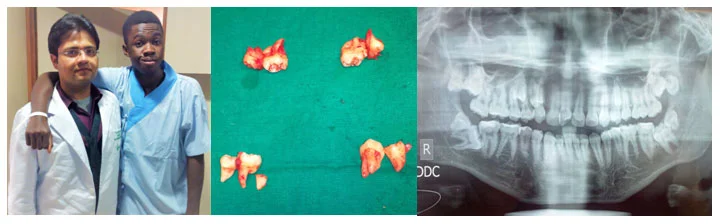
Below, I have broken down the 9 most critical questions and points you should consider before moving forward with an impacted tooth removal.
1. What Exactly is an Impacted Tooth?
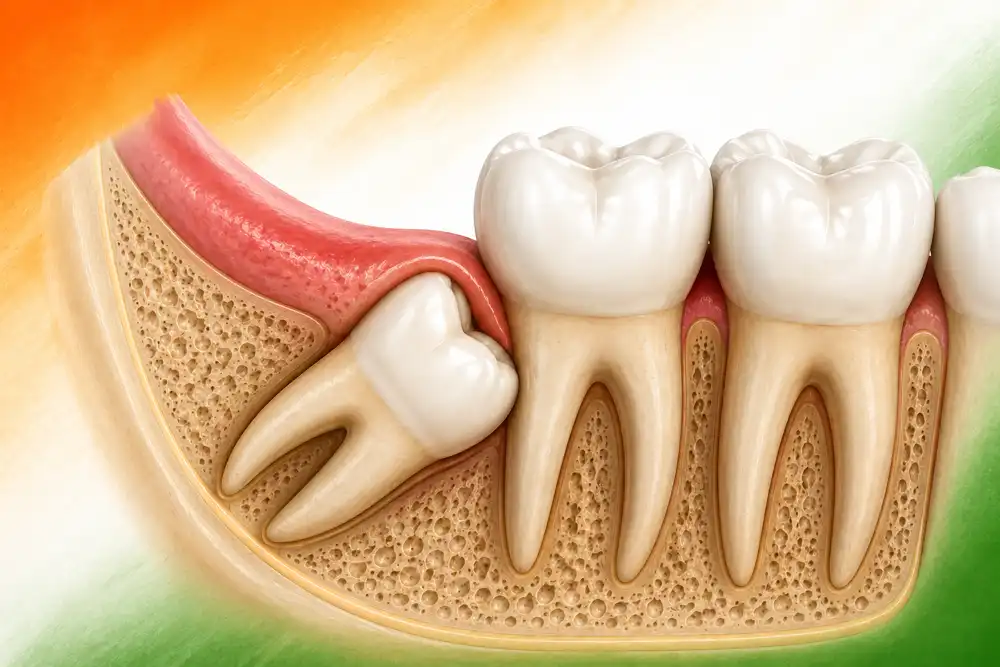
An impacted tooth is simply one that has been blocked from erupting normally into its correct position in the mouth. It remains partially or completely trapped underneath your gum tissue or dense jawbone.
While this can occasionally happen to upper canines, it is incredibly common with third molars—your wisdom teeth. Because modern human jaws often lack the space to accommodate these final four molars, they tend to grow at odd angles, tilt forward against healthy teeth, or remain entirely buried inside the bone.
2. What Real Dangers Do They Pose If Left Untreated?
A common misconception is that if a trapped tooth isn’t actively throbbing, it can be safely ignored. In my clinical practice, I routinely see the “silent” long-term complications of untreated impactions:
Pericoronitis (Recurrent Infection): If a tooth is partially trapped, a microscopic flap of gum covers it. Food particles and bacteria pool underneath this flap. Because it’s impossible to clean, it leads to painful, localized infections.
Damage to Neighboring Teeth: A sideways-growing wisdom tooth acts like a slow-moving wedge, pushing relentlessly into the roots of your healthy second molars. This can cause deep cavities or irreversible root damage to the adjacent teeth.
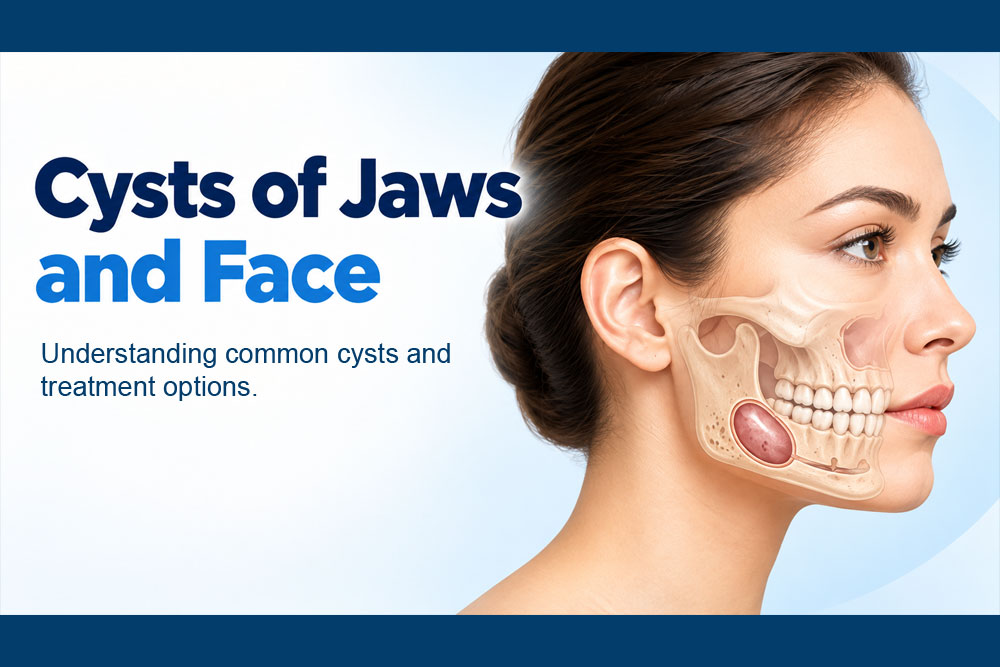
Jaw Cysts and Bone Loss: The tissue sac surrounding an unerupted tooth can fluid-fill over time, developing into a cyst. These cysts can quietly hollow out sections of your jawbone and jeopardize nearby nerves.
3. Let’s Debunk the Common Myths Surrounding Tooth Removal
Misinformation keeps many patients from getting the timely care they need. Let’s clear up a few myths I hear frequently:
Myth 1: “No pain means no problem.”
Reality: Severe bone loss or deep decay on adjacent teeth can occur entirely without pain until the damage reaches an advanced stage. Preventive removal is always safer than emergency management.
Myth 2: “Extracting a jaw tooth weakens your eyesight.”
Reality: This is an old myth with absolutely no anatomical backing. The cranial nerves controlling your vision are completely separate from the dental nerves supplying your upper and lower jaws.
Myth 3: The extraction surgery is agonizing.
Reality: With modern clinical infrastructure, including conscious sedation and advanced local anesthesia, the procedure itself is completely painless. Patients feel pressure, not sharp pain.
Myth 4: Recovery will keep you in bed for weeks.
Reality: Because specialist oral surgeons use precise, minimally invasive techniques, tissue trauma is significantly reduced. Most patients comfortably return to work and light, normal routines within 2 to 3 days.
4. Which Doctor or Specialty is Best Fitted for This Procedure?
While general dentists are perfectly equipped to manage simple, fully erupted extractions, a deeply embedded or bone-impacted tooth requires specialized surgical care.
For these cases, you should consult an Oral and Maxillofacial Surgeon.
Maxillofacial surgeons undergo several years of rigorous, hospital-based surgical residency after completing dental school. This specialized training focuses entirely on navigating complex facial anatomy, managing critical nerve pathways (such as the inferior alveolar nerve), handling jawbone surgery, and administering advanced sedation safely.
A Brief Overview of My Operative Protocol
Understanding the steps of the surgical procedure goes a long way in calming nerves. In my practice, a complex surgical extraction is executed with precise, micro-surgical steps:
a. Deep local Anesthesia with option of conscious sedation or inhalationalsedation
b. smallest possible incision / falpless
c. Sectioning of tooth
d. no or minimal Bone removal
e. tooth removal
f. site debridement and hemostasis
g. suturing
5. What Common Complications Should You Be Aware Of?
Any surgical procedure carries a baseline of normal healing responses and minor risks. I make it a point to prepare my patients for what to expect:
Post-Op Swelling & Stiffness: Facial swelling and a limited jaw opening (trismus) are completely normal parts of your body’s natural inflammatory healing process. This typically peaks around day 3 and tapers off quickly.
Dry Socket (Alveolar Osteitis): If the protective blood clot that forms in the empty socket is washed away or dislodged too early, the sensitive bone walls are exposed to air and food. This causes a dull, throbbing pain a few days after surgery but can be quickly resolved with a medicated dressing in the clinic.
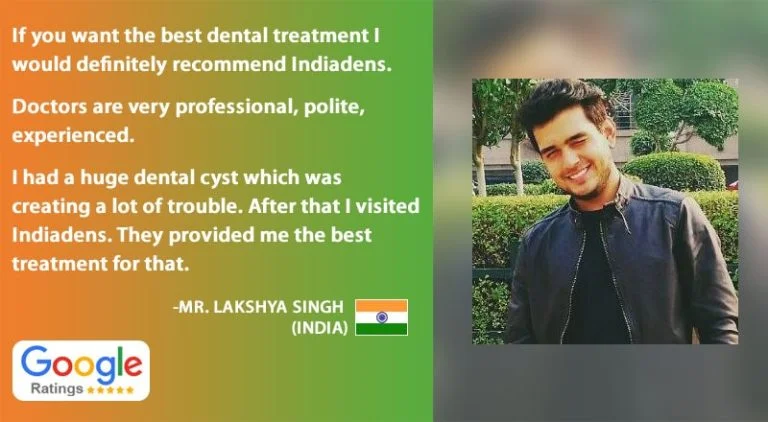
Temporary Nerve Irritation: The roots of lower wisdom teeth occasionally cradle the primary nerve that supplies feeling to your lower lip and chin. Gentle manipulation during surgery can sometimes bruise this nerve, causing a temporary tingling or numb sensation that resolves over time.
6. Crucial Post-Operative Instructions for Your Recovery
The success of your surgery doesn’t end when you leave my chair; home care plays an equally vital role. To protect your healing clot and minimize discomfort, keep these core guidelines in mind:
Maintain Firm Pressure: Keep biting down on the initial gauze pad for a full 45 to 60 minutes after surgery to secure the initial blood clot.
Avoid Suction Dynamics: Do NOT spit forcefully, rinse your mouth aggressively, or drink through a straw for the first 24 hours. The negative pressure can pull the clot right out of the socket.
Dietary Adjustments: Stick exclusively to cold, soft foods (like smoothies, yogurt, or cold purees) on the first day. Avoid hot liquids, spices, and crunchy foods that could injure the healing tissue.
Cold Therapy: Apply an ice pack wrapped in a cloth to the outside of your cheek for 15 minutes on and 15 minutes off during the first 24 hours to significantly limit facial swelling.
7. Understanding the Cost of Impacted Tooth Surgery in Delhi
The financial investment for an impacted tooth removal varies on a case-by-case basis. A tooth that is trapped only by gum tissue is less complex to address than a tooth completely buried inside the jawbone. Deep, complex impactions require advanced diagnostic imaging, specialized micro-surgical handpieces, and a higher level of surgical expertise.
During your comprehensive consultation, we take precise digital scans to evaluate the exact depth, anatomy, and nerve proximity of your tooth, providing you with a fully transparent cost breakdown prior to your procedure.
8. Why Choose My Practice at Indiadens?
Your comfort, safety, and long-term health are the driving principles behind how I practice oral surgery.
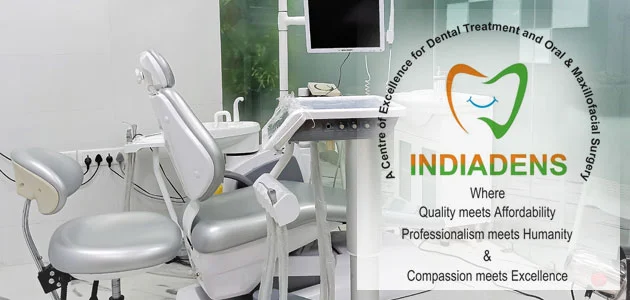
As a double-credentialed specialist holding an MDS in Oral and Maxillofacial Surgery, along with accolades including FPFA (USA), FIBOMS, and a Diplomate of the WCOI (Japan), I have dedicated my career to mastering advanced surgical extractions, dental implantology, and facial trauma management.
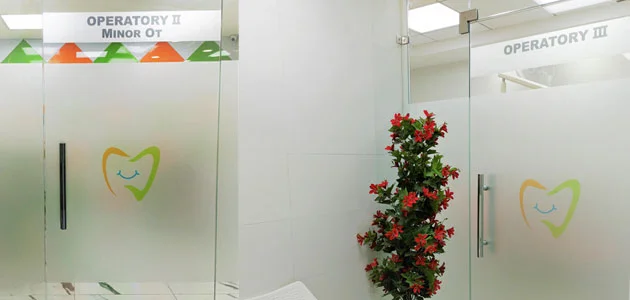
When you undergo surgery under my care at Indiadens—my state-of-the-art clinical center—you benefit from:
Bone-Sparing Micro-Surgery: We utilize ultra-precise, low-trauma surgical handpieces designed to preserve surrounding bone, which dramatically reduces post-operative pain and swelling.
Rigorous Multi-Tier Sterilization: Your systemic health is protected by international, medical-grade sterilization protocols that leave zero room for cross-infection.
An Empathetic, Painless Workflow: My entire clinical team is trained to deliver a calm, patient-centric experience designed to change the way you view oral surgery.
9. Take the First Step Toward Relief
An impacted tooth will rarely correct itself, and waiting for severe pain to strike often complicates treatment. If you are experiencing jaw discomfort or have been told you need a wisdom tooth extraction, let’s map out a safe, predictable path forward.
Request a Consultation
Visit my clinical home at Indiadens Dental Clinic to secure an appointment.